
Pelvic Floor Therapy in Denver for Pain, Bladder, Bowel, and Sexual Health
Pelvic symptoms can affect far more than your pelvis. They can change how you move, rest, work, eat, exercise, and feel in your body. They can also affect relationships, intimacy, confidence, and daily routines. At Anxious Pelvis Clinic, treatment supports the pelvic floor, nervous system, whole body, and daily habits that shape your symptoms.
Is this the right fit for you?
Pelvic floor therapy may be a good fit if you are dealing with:
Pelvic pain or chronic high tension

Bladder urgency, frequency, or leakage
Pain with sex or intimacy
Pregnancy and postpartum changes
Navigating surgeries involving the pelvic floor
Symptoms that have not improved with other care
Constipation or bowel challenges
Many people come in feeling confused, overwhelmed, or unsure where to start. This is a place to figure that our with support.

Pelvic Health Services
Pelvic symptoms often overlap.
Bladder issues, bowel changes, pain with sex, chronic tension, and pelvic pain can all connect back to how the pelvic floor muscles and nervous system are functioning. Pelvic floor dysfunction can include urinary incontinence, bladder and bowel emptying problems, fecal incontinence, sexual dysfunction, and chronic pelvic pain, and more.
Many symptoms are common, but they are not something you should have to just live with.
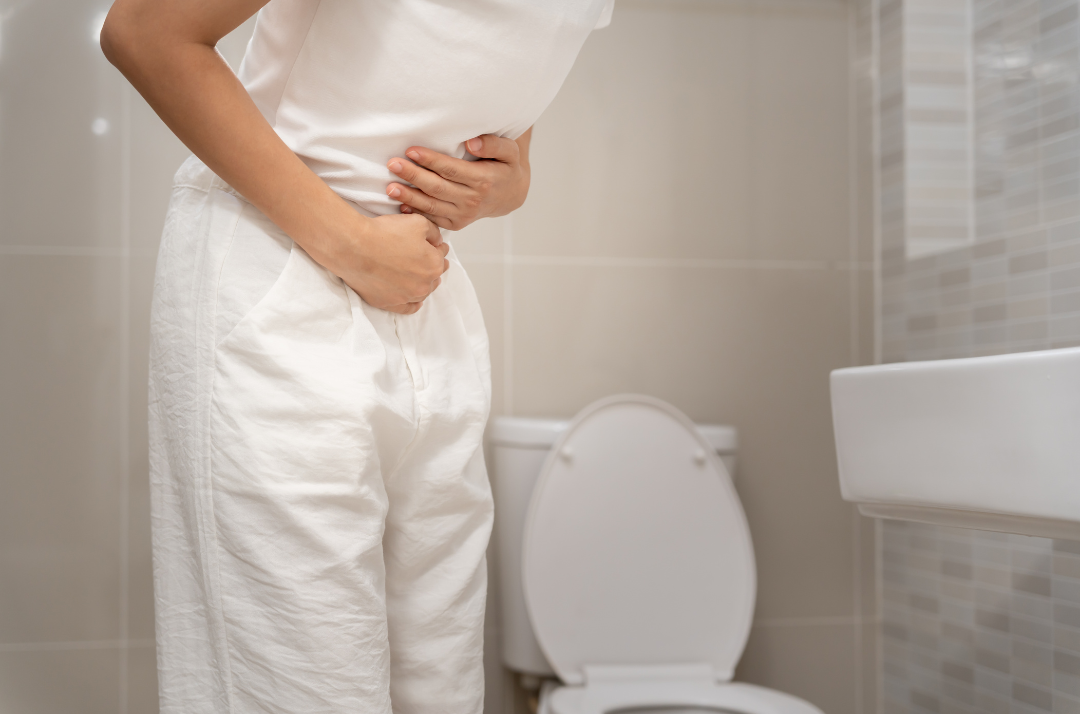
Bowel Issues
Pelvic floor muscles help support the bowels and are a key part to bowel functioning & control. When those muscles are weak, poorly coordinated, or too tense, symptoms can show up. The brain-gut connection is also very strong. Addressing gut function involves a whole body approach.
-
Chronic constipation
Pain with bowel movements
Difficulty releasing stool
Frequent straining with bowel movements
Infrequent bowel movements
Abdominal discomfort and bloating
Diarrhea
Stool leakage
Fecal smearing
Fissures and Hemorrhoids
Symptoms from GI disorders such as Irritable Bowel Syndrome (IBS), and Small intestinal bacterial overgrowth (SIBO)
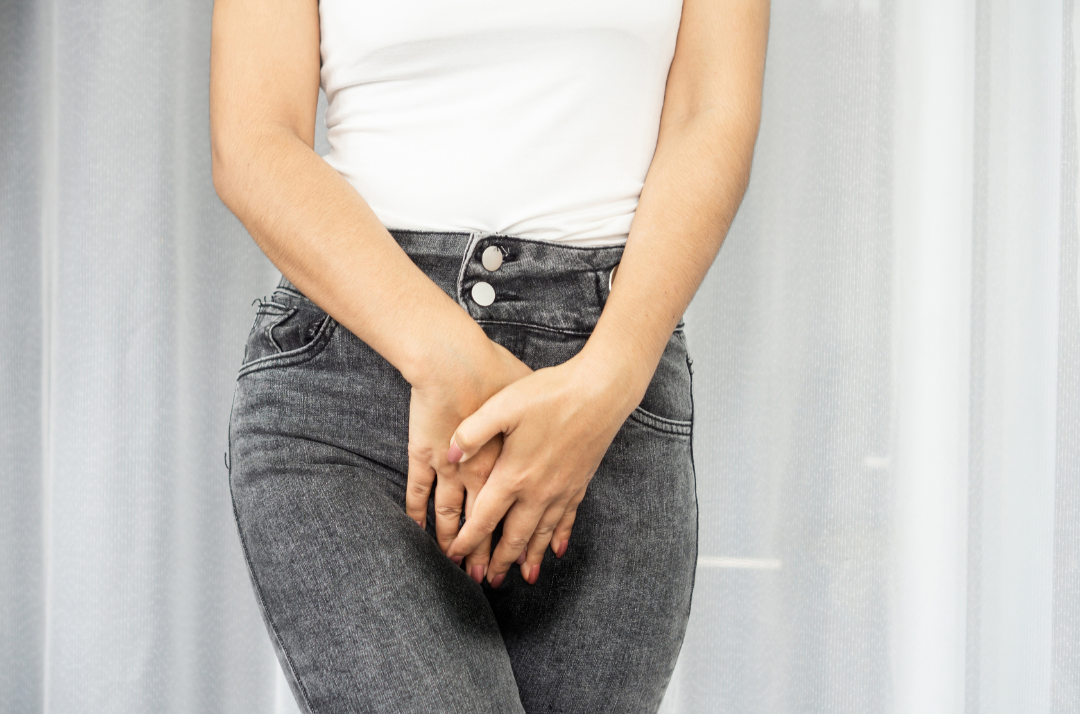
Bladder Issues
Pelvic floor muscles also help support the bladder. They help us stay continent and release urine. When these muscles are coordinating properly, are weak, too tense, or there are other factors at play, we can see symptoms with urination.
-
Urinary urgency - needing to rush to the bathroom
Urinary frequency - having to pee all the time
Leaking urine with urge to pee
Leaking urine with sneezing, coughing, laughing, or movement
Not feeling empty
Difficulty starting urine stream
Bladder pain or pain with urgency
Chronic UTIs or chronic UTI symptoms
Bladder conditions such as Interstitial cystitis (IC), Overactive Bladder Syndrome (OAB), & more
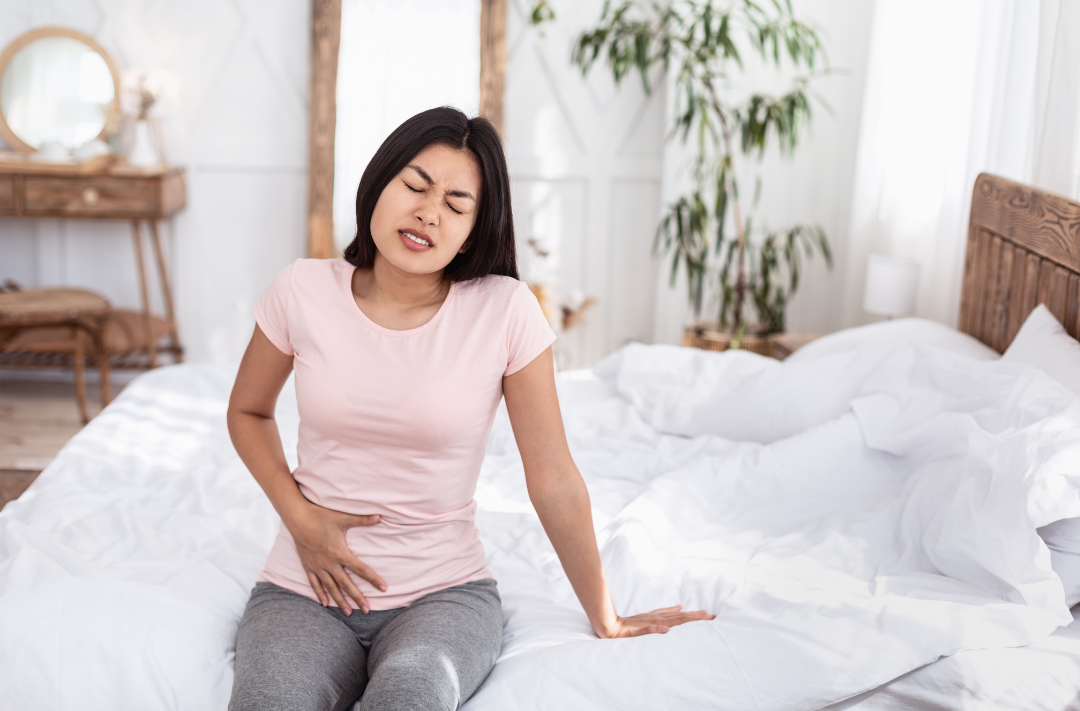
Pelvic Pain
Chronic pelvic pain is real, complex, and often exhausting. At Anxious Pelvis, we address both the pain and the patterns that keep it going.
Chronic pelvic pain can involve muscles, fascia, nerves, organs, scar tissue, past injuries, brain responses, and pain sensitivity changes over time. Pelvic floor therapy can help with both the musculoskeletal and neuroplastic drivers of pain.
Gina specializes in treating chronic pain conditions with additional training in pain reprocessing.
-
Many people with pelvic pain also deal with chronic tension, guarding, painful sitting, or pain that flares with stress.
Pain can show up in different areas such as:
Any genital pain (such as vulvodynia or vaginal pain)
Anal pain
Pelvic floor pain
Low back pain
Pudendal neuralgia
In can also show up through different activities
Pain with sitting
Painful bowel movements
Pain with urination
Pain with sex
Painful insertion of a tampon or with a gyno exam
Pain with movement
Pelvic pain can also be stemming from pelvic conditions such as
Endometriosis
Adenomyosis
Irritable Bowel Syndrome (IBS)
Interstitial Cystitis & More

Sexual Health
As an occupational therapy clinic, our care is not just physical. So many elements go into our sexual health and experiences. You may experience pain or inability to engage in insertion, pain or difficulty with arousal & orgasm, sensory sensitivities, and more. We address sexual health with a biospychosocial model. Gina has additional training in sex counseling and incorporates this into sessions.
Pain with sex and intimacy is common, but unwanted pain is not normal in that you should not have to experience it. Read more below.
-
For many people, painful intimacy is linked to fear, protective muscle guarding, societal messaging, scar tissue, chronic conditions, hormones, pain patterns that have built over time, or more. ACOG and NHS resources both include pelvic floor therapy and related pelvic floor work among treatment options for painful sex, vulvar pain, and vaginismus.
You may be dealing with pain with penetration, vaginismus, vulvar pain, tampon pain, or difficulty tolerating pelvic exams.
Care is paced, consent-forward, and individualized.
Internal treatment is often not done on the first visit unless it makes sense for you. That slower approach can matter, especially when symptoms are tied to anxiety, fear, or past painful experiences. We use a trauma-informed approach, especially for patients with pain and trauma histories.
Treatment may include:
Pain re-processing techniques
Pelvic floor awareness
Breath training
Nervous system support
Education around pelvic health, sexual health, & pain
Pelvic tool training
Movement
Sex counseling techniques
and more
For vaginismus, treatment approaches can include somatic practices, pain reprocessing techniques, pelvic floor exercises, breathing and regulation work, shame reduction & pleasure connection activities and pelvic floor dilators when appropriate.

Pregnancy & Postpartum Support
Pelvic floor therapy can help with fertility, navigating pregnancy, preparing for labor & delivery, and postpartum care.
-
Treatment and Prevention of Common Symptoms, such as:
Urinary leakage
Prolapse
Heaviness
Constipation
Low back pain
Diastasis Recti
& more
Education around Pregnancy & Childbirth
Preparation for Labor and Delivery
Breath training for contractions and pushing stage
Delivery Positioning
Pelvic floor coordination training
Pelvic floor & core muscle preparation and optimization
Techniques to reduce tearing and prolapse
Prep for labor phases and stages
Preparation for postpartum
-
Addressing any pelvic pain, bowel/bladder concerns, and sexual health concerns postpartum
Treatment of common symptoms you may experience postpartum & general pelvic health:
Urinary leakage, incomplete emptying or other bladder concerns
Pain with toileting
Constipation, incomplete bowel movements, or other bowel concerns
Prolapse or heaviness
Pain with sex
And more
Addressing any scar tissue or adhesions - whether due to c-section, perineal tearing, or otherwise.
Assistance with engaging in new roles and routines
Helping you with return to Intimacy

Endometriosis & Period Pain
Whole-body support for people living with endometriosis and/or navigating painful menstrual cycles.
-
Endometriosis can affect much more than the uterus or ovaries.
It can also affect pelvic muscles, bowel function, bladder symptoms, scar mobility, breathing, the nervous system’s response to pain, and more.
Endometriosis is described as a long-lasting condition that may require ongoing treatment, and endometriosis-related pain can be associated with pelvic floor tension, pelvic and abdominal pain, low back pain, and bladder or bowel symptoms.
While pelvic therapy cannot remove endometriosis lesions, it can help address the muscle tension, guarding, mobility limits, and pain patterns that often build around the condition.Care may support:
pain reduction
bowel and bladder functioning
scar mobility
movement confidence
and daily function
This kind of supportive care is especially useful when chronic pain has changed how your body moves and protects itself.
-
No matter the cause, painful periods can be supported with pelvic floor therapy.
Get pain relief and self management tools
If you have difficulty inserting menstrual products, pelvic floor therapy can help train the body for smooth insertion.

Gender Affirming Care
Whether you are trans, non-binary, gender fluid, or anywhere along the gender spectrum, you may experience pelvic floor concerns and be seeking a safe provider to navigate this care. We also provide support for surgical preparation and recovery.
-
Surgery prep and recovery for:
Vaginioplasty
Metiodoplasty
Phalloplasty
Hysterectomy
WPATH materials cite pelvic floor therapy programs in the context of gender-affirming vaginoplasty care, reflecting the role of pelvic rehabilitation within multidisciplinary gender-affirming support.
Prep and post surgical care may look like:
Scar management
Nervous system regulation
Prep of muscles and tissues for surgery
Help with adjusting to any new roles and routines
Nerve re-education/helping with numbness, pain, and sensory return
Dilator protocols
Other care unrelated to surgery may look like:
Body (re)connection strategies
Addressing general pelvic floor dysfunction and habits
Pregnancy, fertility, and postpartum care
Education and safety with binding and tucking
Sex counseling activities
Care is identity-centric, trauma informed, consent based, and patient led.

Surgical Preparation and Recovery
Feel well prepared and have a smoother recovery with pelvic floor therapy before and after any pelvic or abdominal surgeries such as c-sections, hernia repairs, hysterectomy, prolapse surgeries, bowel & bladder surgeries, gender affirming surgeries, and more.
-
Pelvic floor therapy can help people prepare for surgery by improving tissue mobility and blood flow, and build supportive movement & daily activity habits.
It may look like:
Breath training
Soft tissue mobilization
Blood and lymph flow techniques
Bowel & bladder training
Pressure management strategies
Nervous system regulation
Preparation for immediately post-op
And more
-
Surgery changes tissue, mobility, and how the nervous system responds to the body. That is why preparation and recovery both matter.
Rehabilitation principles support prehabilitation before treatment and rehabilitation after treatment to improve function, recovery, and quality of life.
After surgery, pelvic floor therapy care can support:
Scar mobility
Comfort and pain management
Bowel and bladder function
Pressure management
Nerve and sensory training
Return to activity
And more
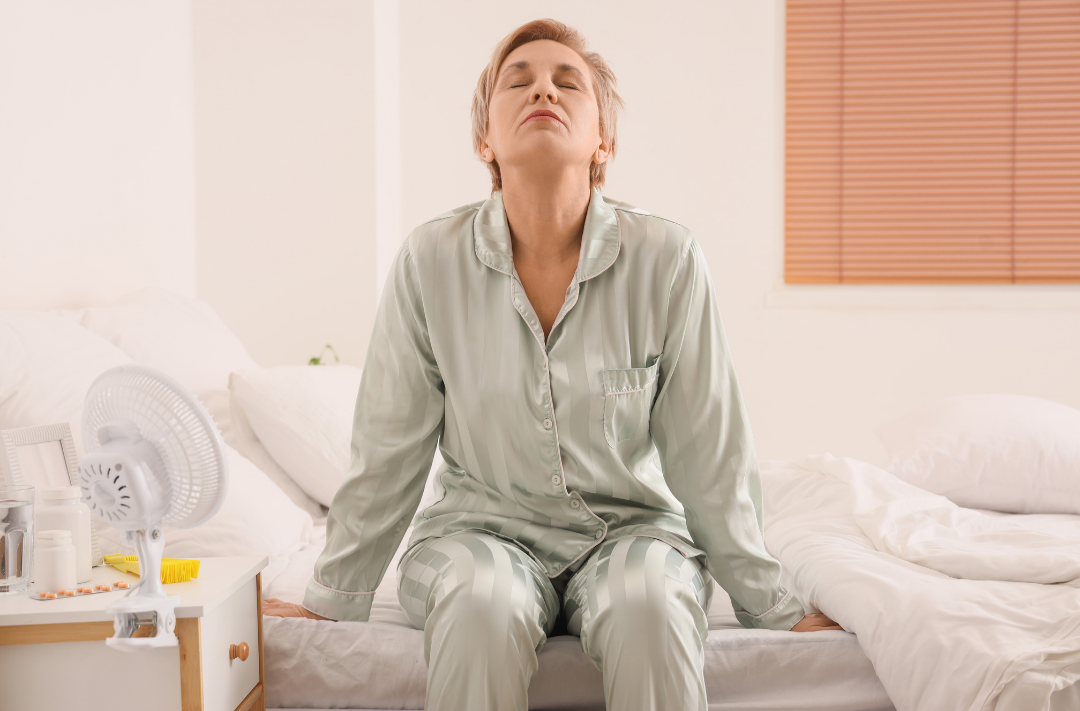
Peri-Menopause Care
Peri-menopause symptoms on average, can start around mid-40s. Genitourinary Syndrome of Menopause (GSM) involves vaginal, sexual, and urinary symptoms caused by decreased estrogen. Key symptoms include vaginal dryness, burning, itching, pain during intercourse, urgency, and recurrent UTIs. Menopause can also come with mood swings, hot flashes, sleep disturbances, brain fog, and more.
-
Assistance with navigating the healthcare system and accessing hormonal support
Help with management of peri-menopause symptoms
Bladder and bowel support
Vulvo-vaginal tissue support
Nervous system regulation strategies to help manage mood swings
Sleep hygiene support
Roles, routines, and occupational support for changes that may impact work, leisure, and socialization
Anxious Pelvis Clinic provides virtual and in-person pelvic floor therapy in Denver, Colorado
If you live outside of Colorado, you can access our virtual pelvic health coaching services from anywhere in the world through The Anxious Pelvis.
How To Get Started
1
Contact Us
Reach out using our contact form. We will then contact you to chat about your concerns, goals, answer any questions you have, as well as get you scheduled for care!
2
Receive a Comprehensive Pelvic Health Evaluation
Get a full 90 minute evaluation to assess the current status of your pelvic health, health history, current or ongoing symptoms, and any contributing factors that can help us create a full picture to start from. We will also discuss your priorities & goals and hop into some treatment!
3
Why People Choose The Anxious Pelvis
Care that is personal, trauma-informed, and built for real life
Treatment here at The Anxious Pelvis Clinic in Denver considers your whole body, nervous system, routines, values, and lived experience. That approach is consistent with modern pelvic health guidance that recognizes the psychosocial impact of pelvic floor dysfunction and the value of individualized, multidisciplinary care.
This is especially important for people with pelvic pain, painful sex, chronic tension, or trauma histories.
The goal is not to hand you a generic home program. The goal is to build care that actually fits your life and improves it for the better.